
Why modern appliances often don't last as long
This isn't just an old-timer's complaint. There are real, identifiable reasons a washer, dryer, refrigerator or range from a few decades ago could often outlast a comparable new one — and most of them come down to what changed in how appliances are built, not just when they were built.
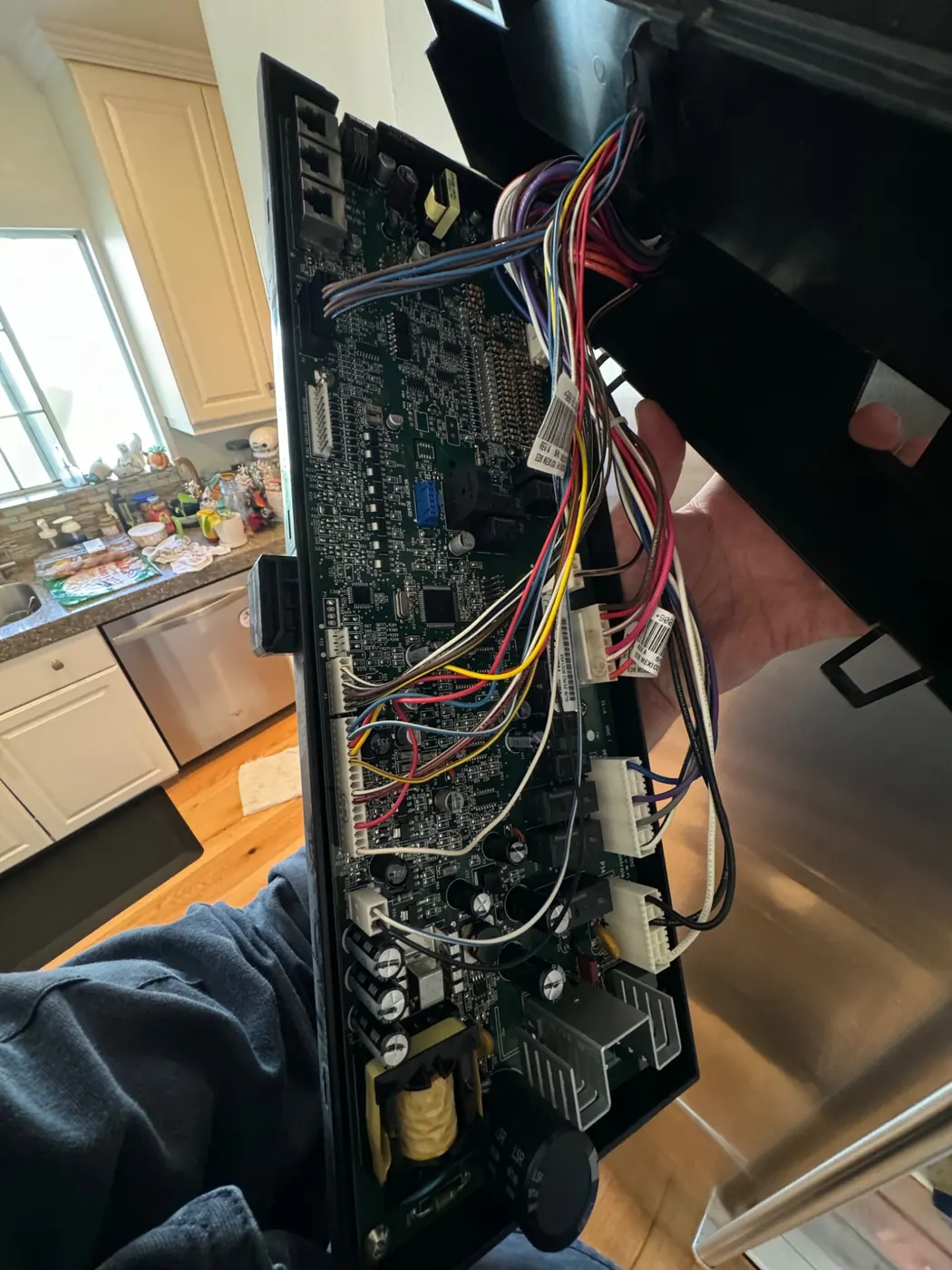
- More electronics, more failure points. A 1980s dryer might have had a mechanical timer and a couple of switches. A modern one has a control board, multiple sensors, and often a digital display — every one of those is a component that can fail, on top of the mechanical parts that were already there.
- Lighter materials, partly driven by efficiency rules. Federal energy and water efficiency standards have pushed manufacturers toward lighter-gauge steel, smaller motors and thinner components to hit target ratings. That's genuinely better for utility bills, but lighter-duty parts often don't hold up to heavy daily use as long as the old over-built versions did.
- More features means more to break. Steam cycles, Wi-Fi connectivity, touchscreens, ice-and-water dispensers — each added feature is convenient when it works and one more thing that can fail when it doesn't. Older appliances were mechanically simpler because they did less.
- Design lifespans have shifted. Manufacturers today generally design appliances around a shorter expected service life than in past decades, which shows up in material choices and component tolerances throughout the unit, not just in one weak part.
None of this means every modern appliance is fragile or every older one was bulletproof — there was plenty of appliance junk built in every era. But the broad pattern of "simpler mechanical design tends to survive longer, more electronics and features tend to fail sooner" is a real, well-documented trend, not just nostalgia talking.
So how do you actually decide?
None of that changes the fact that a working appliance is usually still worth fixing. Here's a practical way to think through it once you're facing a real repair-or-replace decision.
If most of those are true, repair is usually the better value. If the repair estimate is climbing close to or past that halfway cost line, and the unit is already old, that's when replacement starts to make more financial sense — but this is a starting point for a conversation, not a formula that fits every case.
What the technician's diagnosis actually tells you
The single most useful piece of information isn't the appliance's age — it's whether the specific fault is an isolated failure or a sign of broader wear. A blown thermal fuse on an otherwise healthy dryer is a simple, worthwhile repair no matter how old the unit is. A failed main control board on a refrigerator that's already had two other repairs is a different conversation.
Ask directly: is this a common, standalone failure on this model, or does it tend to be followed by other failures? A straight answer to that question is worth more than any age-based rule of thumb.
Where efficiency standards actually help
It's worth being fair to modern appliances on one point: current units generally use meaningfully less water and electricity than appliances from twenty or thirty years ago, and that adds up over the appliance's lifetime. The tradeoff between "lasts longer" and "costs less to run" is real, and there isn't a universally correct answer — it depends on your utility costs, how heavily the appliance gets used, and how much you value not dealing with a repair call.